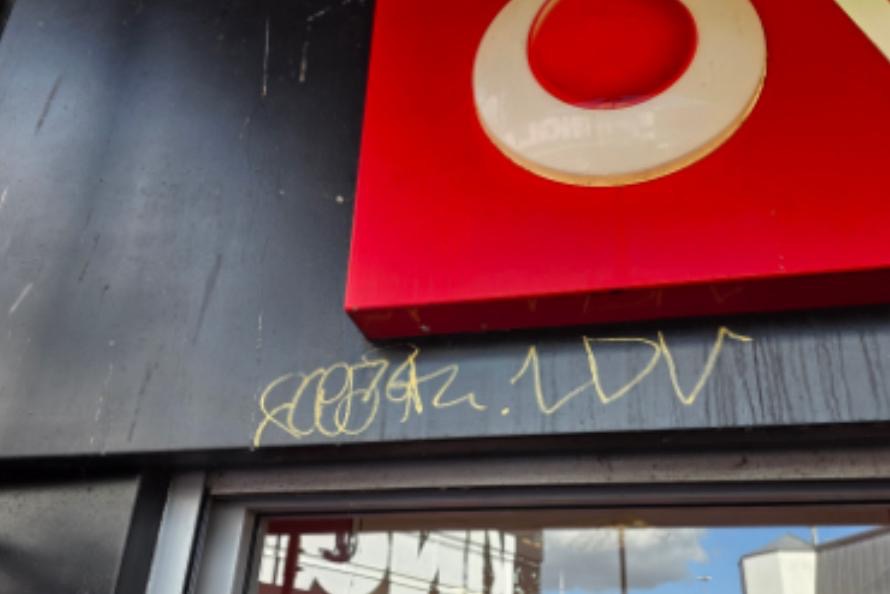
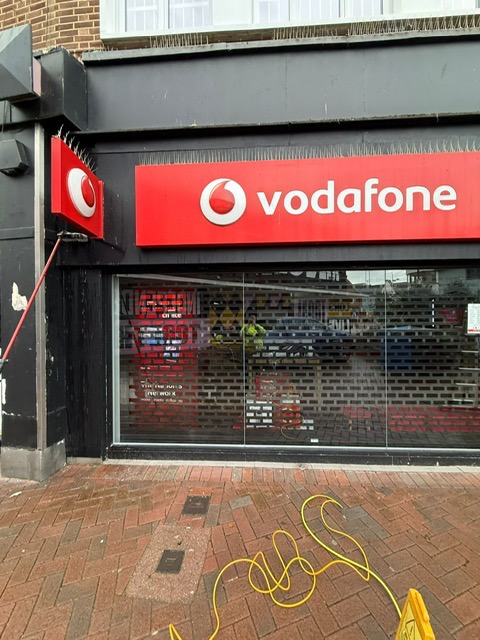
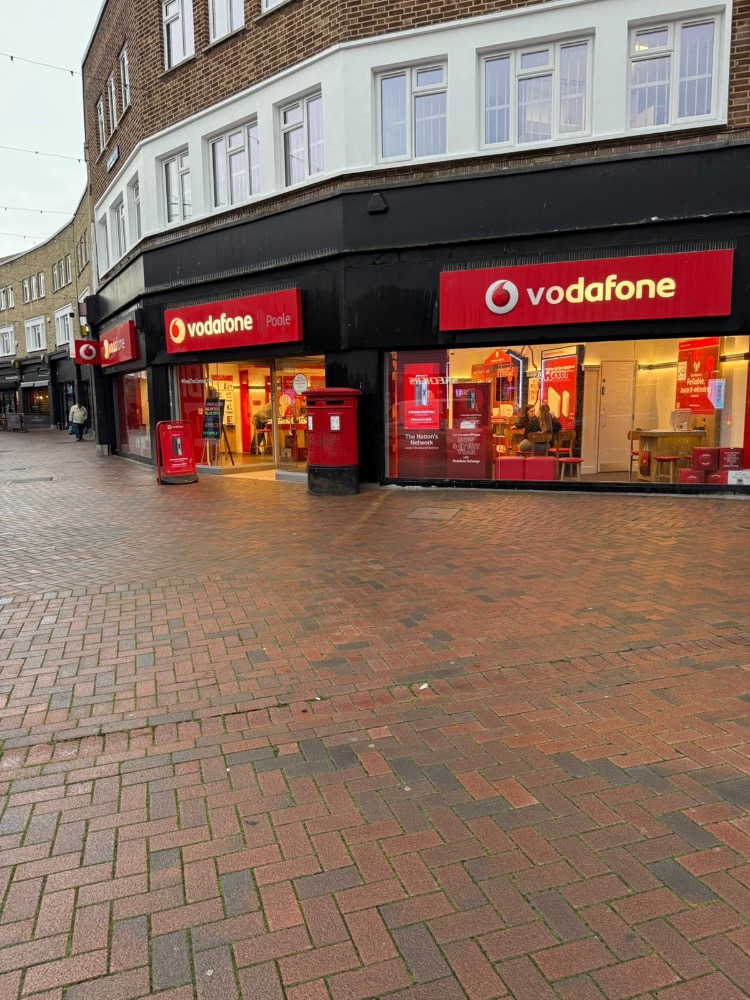
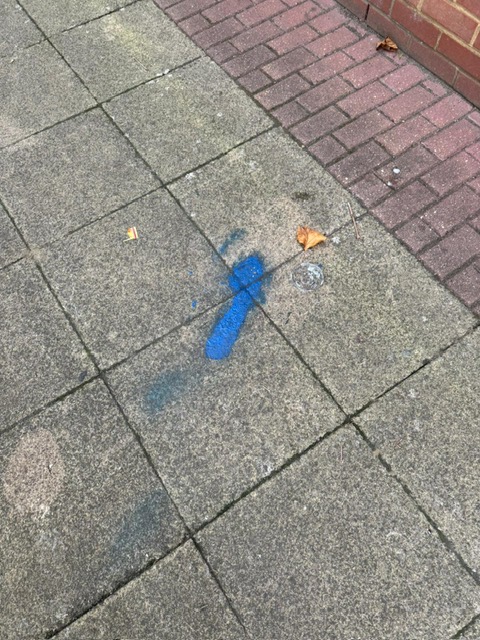
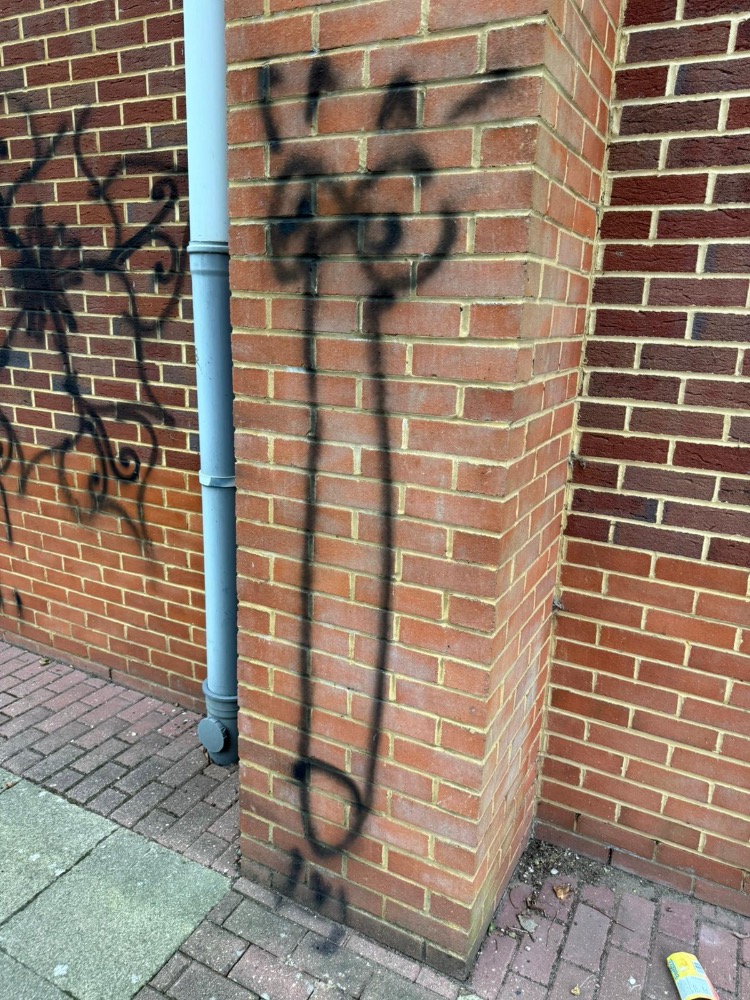
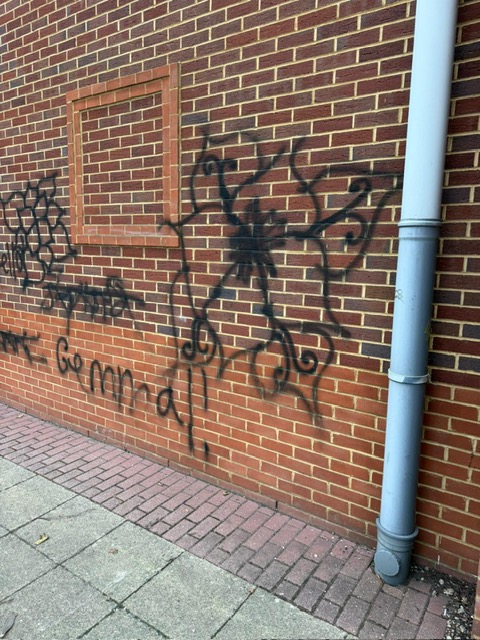
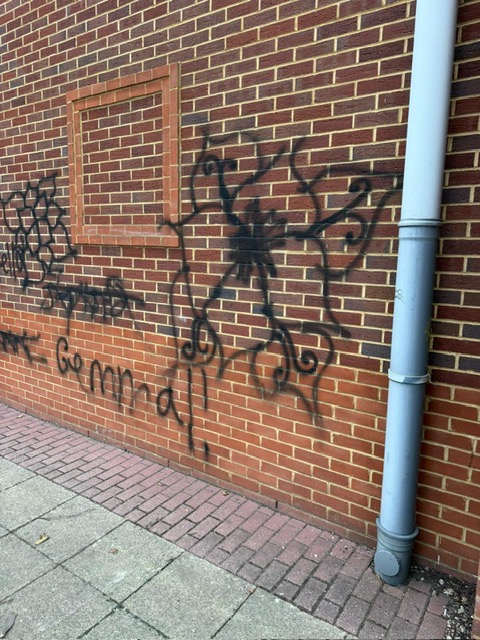
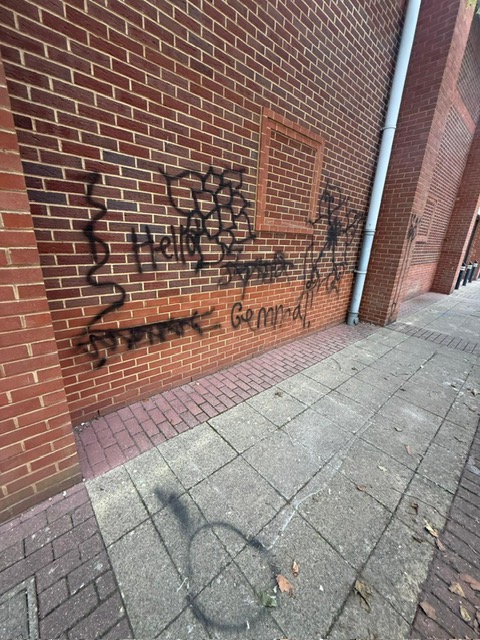
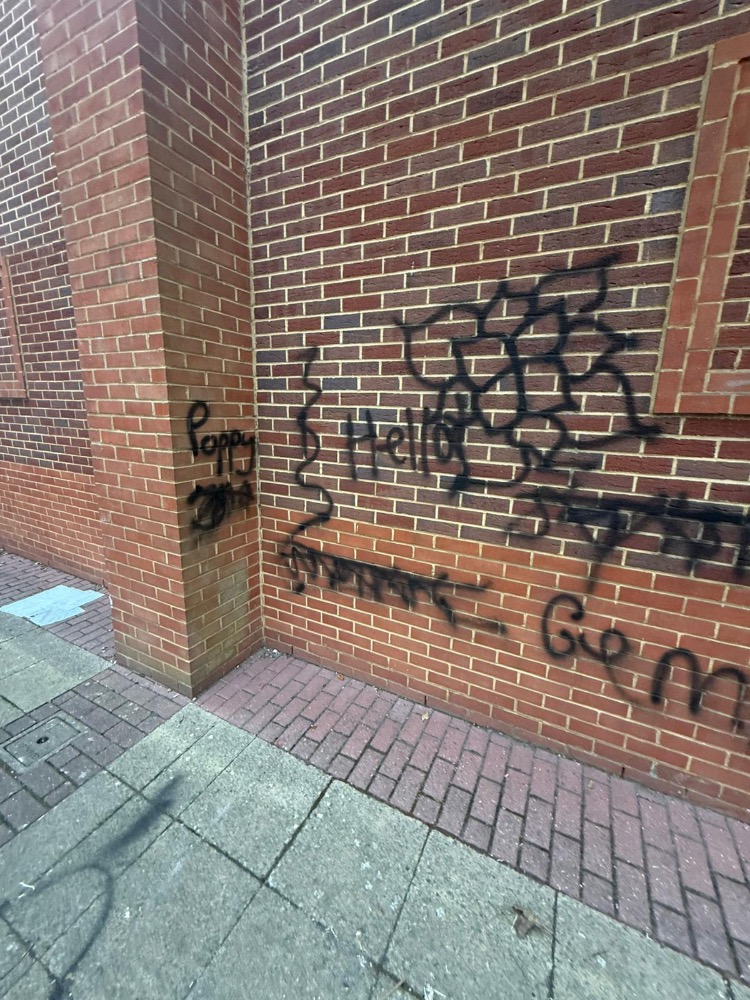
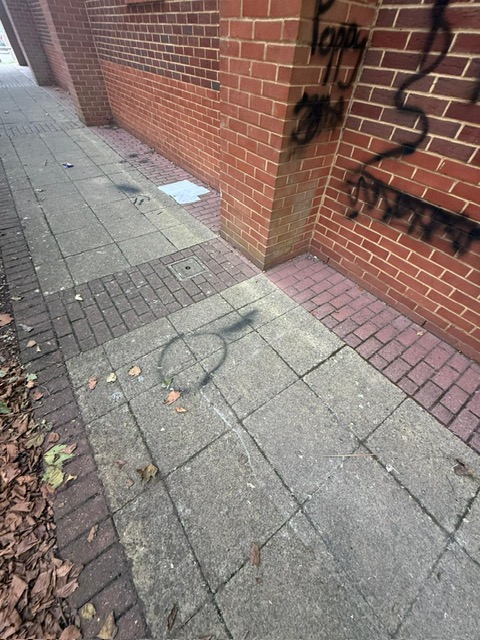
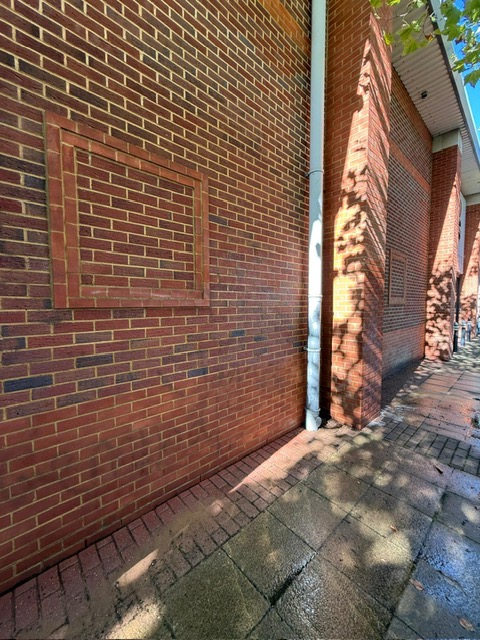
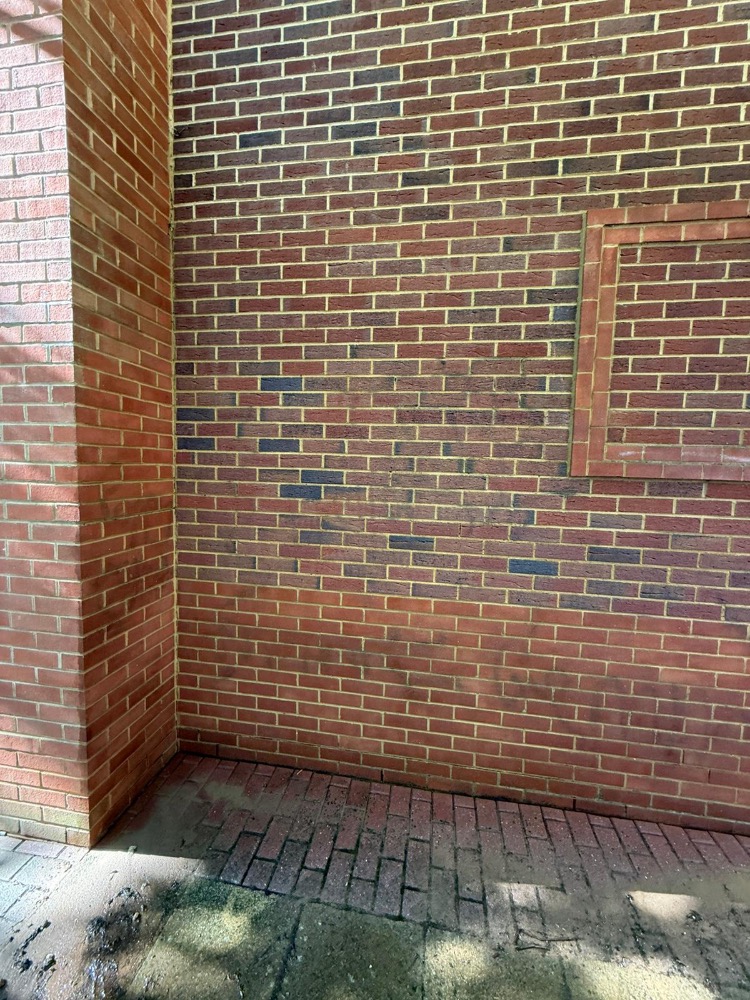
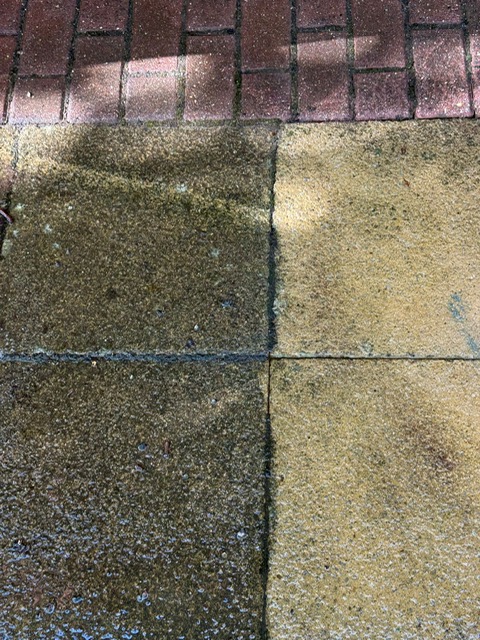
Graffiti vandalism poses a significant problem for commercial properties, impacting brand reputation, property value, and inviting further criminal activity. Professional commercial graffiti removal is essential for fast, effective, and safe restoration of surfaces.
Why Immediate Commercial Graffiti Removal is Critical
-
Deterrence: The faster graffiti is removed (ideally within 24-48 hours), the less likely the location is to be targeted again. This is known as the “broken window theory.”
-
Brand Image: Graffiti sends a negative message to customers and clients about the care and safety of your business environment.
-
Property Value: Persistent vandalism can decrease the perceived value of the property and the surrounding area.
-
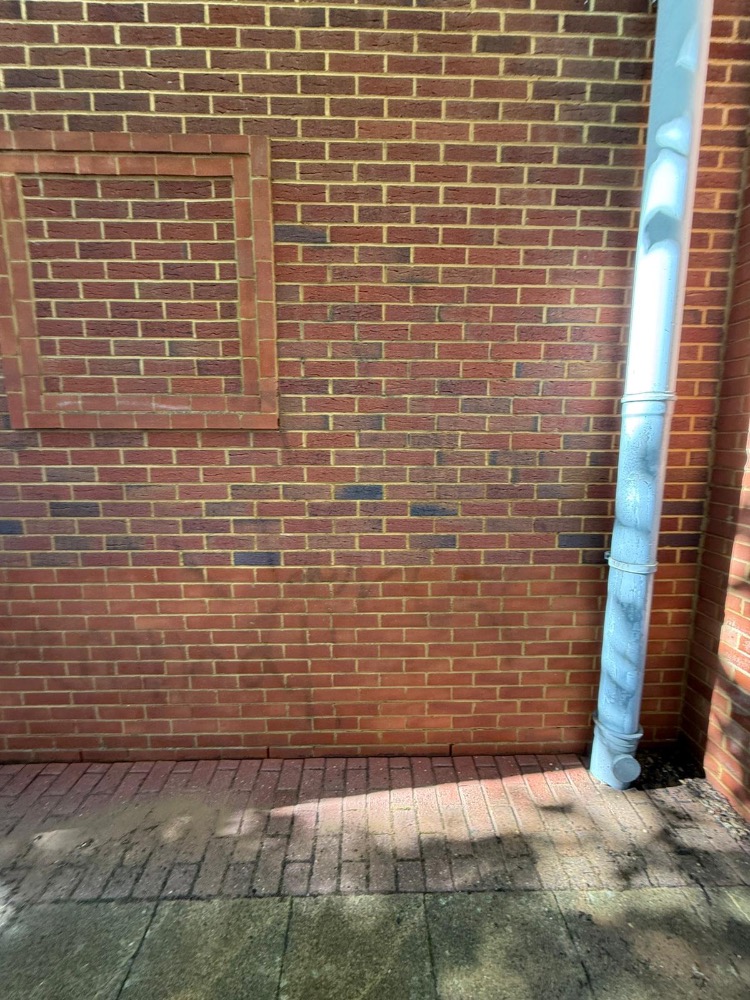
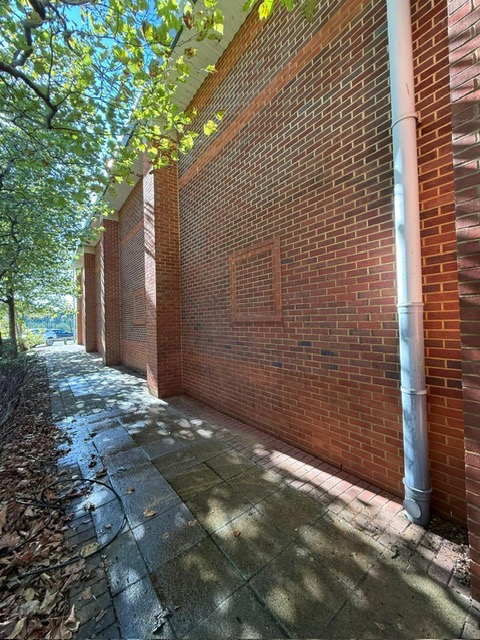
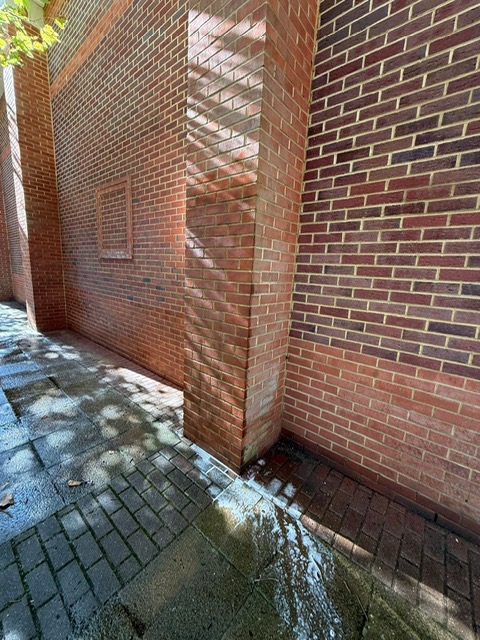
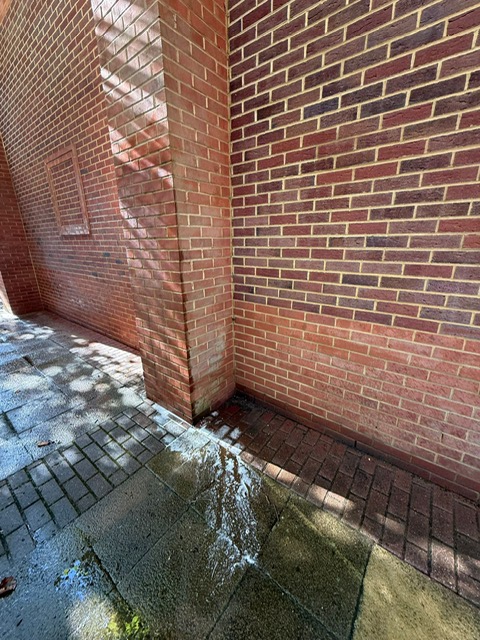
Surface Damage: The longer paint is left on a surface, especially porous materials like brick, the deeper it penetrates, making future removal more difficult and potentially causing permanent staining.
Key Commercial Graffiti Removal Methods
The technique used must be tailored to the type of graffiti (e.g., spray paint, marker, etching) and the underlying surface material (e.g., brick, metal, glass, painted wall) to ensure complete removal without damage.
1. Chemical Removal
-
Description: Applying specialised solvent, gel, or detergent-based agents to break down the paint.
-
Best For: Most types of spray paint and markers, especially on metal, painted surfaces, and glass. Allows for targeted application.
-
Caution: Requires careful selection to avoid damage to the base coat or material. Requires thorough rinsing and adherence to strict safety protocols (PPE, ventilation).
2. Hot Water Pressure Washing / Steam Cleaning
-
Description: Using high-temperature, low-pressure water (often combined with chemical agents) to lift and rinse away the broken-down paint.
-
Best For: Rinsing chemical residue and effectively cleaning porous surfaces like concrete and brick where paint has been loosened.
-
Caution: High-pressure jets alone can damage soft surfaces or force paint deeper into pores; temperature and pressure must be carefully controlled.